
HEALTH WELLNESS
Understanding Testosterone Boosters: An In-Depth Tutorial on Benefits and Usage

Updated March 23, 2026
Fact Checked

Introduction
As the quest for optimal health continues to gain momentum, testosterone boosters have emerged as a popular solution for those seeking to enhance their physical performance and overall well-being. These dietary supplements aim to elevate the body's natural testosterone production, a hormone crucial for various bodily functions, including muscle growth and energy levels.
With a growing awareness of men's health, particularly in the wake of the COVID-19 pandemic, the demand for these products has surged, prompting a closer examination of their ingredients and benefits. This article delves into the key natural components of testosterone boosters, such as:
- Ashwagandha
- Fenugreek
While also addressing potential side effects and complementary lifestyle strategies that can further support hormonal health. Understanding these aspects is essential for anyone considering testosterone supplementation as part of their health regimen.
1. What Are Testosterone Boosters and Why Use Them?
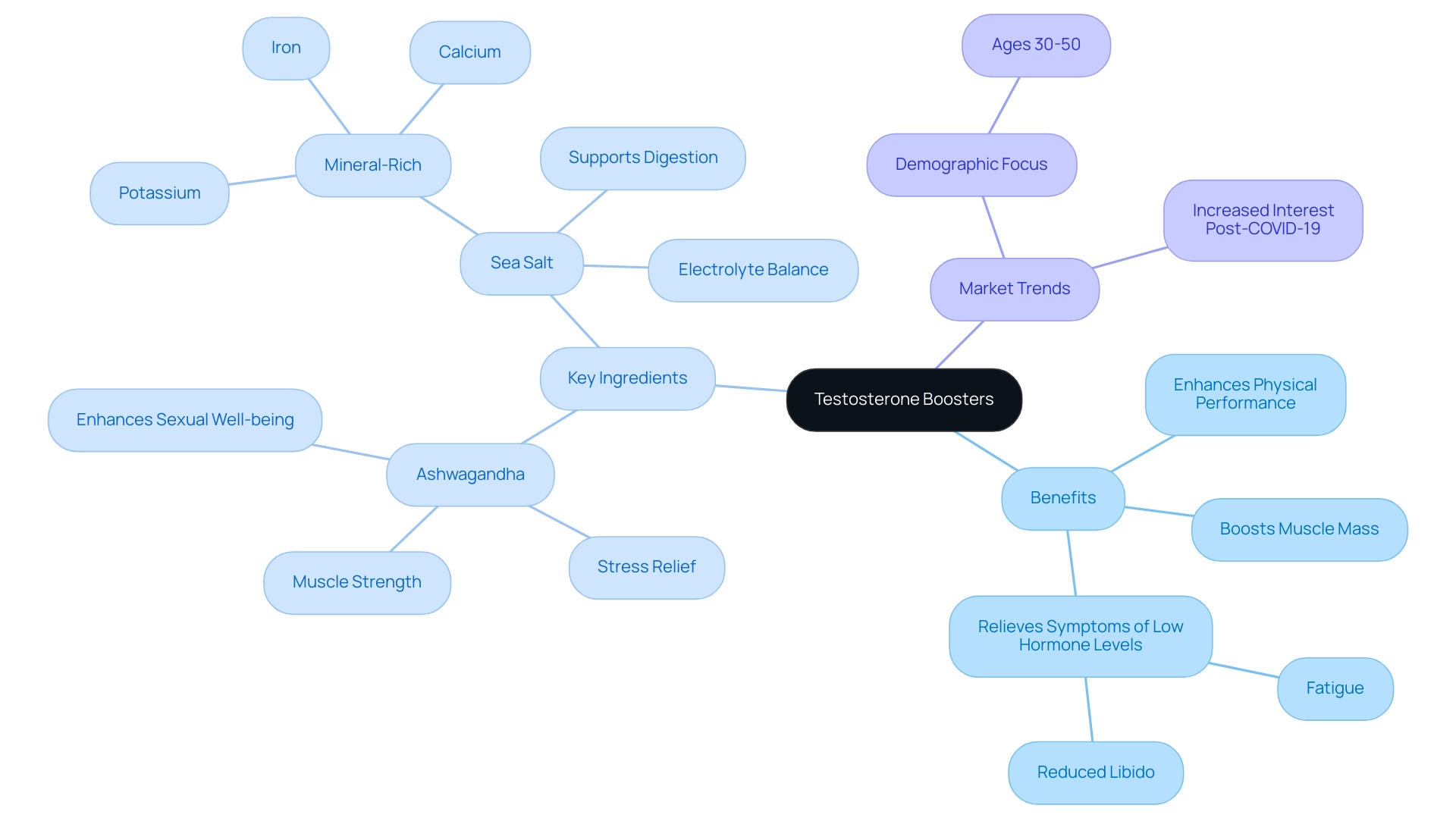
These testosterone boosters are dietary supplements designed to enhance the body's natural production of this hormone, which is essential for various physiological functions. Individuals looking to enhance physical performance, boost muscle mass, and relieve symptoms related to low hormone levels, such as fatigue and reduced libido, frequently pursue testosterone boosters. Notably, ashwagandha (Withania somnifera), found in 2.2% of hormone supplements, offers significant benefits.
It has been demonstrated to alleviate stress and anxiety, promote muscle strength, and enhance sexual well-being, making it a valuable addition to a plant-based nutrition regimen. Furthermore, ashwagandha stimulates hormone production, contributing to hormonal balance and overall wellness. Complementing these benefits, sea salt serves as a mineral-rich alternative to table salt, providing essential minerals like potassium, iron, and calcium, which support various bodily functions, including digestion and electrolyte balance.
The COVID-19 outbreak has redirected attention towards men's well-being and fitness, resulting in heightened marketing and interest for male enhancement products among individuals aged 30 to 50. This changing landscape highlights the importance of understanding trends in the health supplement market, particularly as it relates to natural solutions like ashwagandha, sea salt, and testosterone boosters for hormone balance and overall wellness.
2. Key Natural Ingredients for Boosting Testosterone Levels
Key natural ingredients frequently found in boosters include:
-
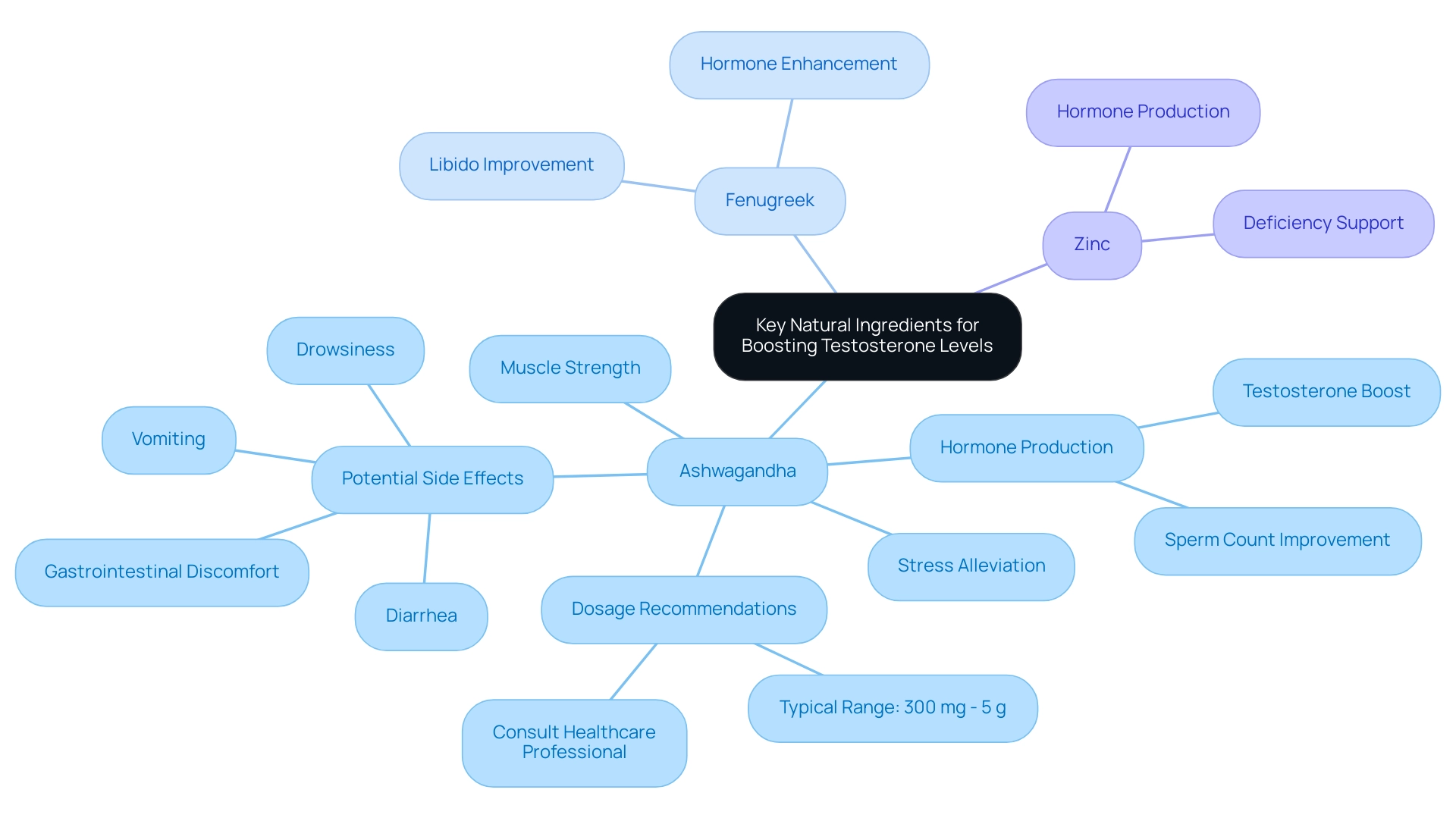
Ashwagandha: This adaptogenic herb is renowned for its ability to alleviate stress and enhance overall vitality. Clinical studies have indicated that ashwagandha may positively influence hormone levels, with a significant increase in serum levels recorded at −66.52 with a 95% CI of −80.70 to −52.34. Furthermore, ashwagandha has demonstrated anxiety-reducing effects and supports muscle strength. Research shows that healthy men who consumed 750-1250 mg of ashwagandha root powder gained muscle strength within 30 days and improved their stamina. Additionally, it has a history as an aphrodisiac in Ayurvedic medicine, recognized as a testosterone booster that boosts hormone production and enhances sperm count and quality, with one study noting a 167% increase. Compared to other boosters, ashwagandha stands out for its holistic benefits, addressing both physical and mental well-being. However, further research is needed to confirm its effects on sexual health in men with clinically low hormone levels. Clinical trials usually provided between 300 mg and 5 g of ashwagandha daily, and it is advisable to consult a healthcare professional to establish the suitable dosage.
-
Fenugreek: Studies indicate that fenugreek can greatly improve libido and may aid in boosting hormone concentrations when taken regularly. Statistically, studies have reported a notable correlation between fenugreek supplementation and enhancement of male hormones, highlighting its potential as a testosterone booster.
-
Zinc: An essential mineral vital for hormone production, zinc is crucial for maintaining optimal amounts of male hormones, especially in individuals who are deficient. Supplementing with zinc has shown promising results in increasing testosterone levels, thereby supporting overall hormonal health. These ingredients are often combined in various formulations, including a testosterone booster, to capitalize on their synergistic effects, providing a comprehensive approach to enhancing testosterone levels naturally. For instance, combining ashwagandha with fenugreek may enhance libido and overall vitality, while zinc supports hormone production, creating a powerful synergy for men's health.
3. Benefits of Testosterone Boosters: Enhancing Health and Performance
Testosterone boosters provide a range of potential advantages that can significantly improve physical performance and overall well-being. Key advantages include:
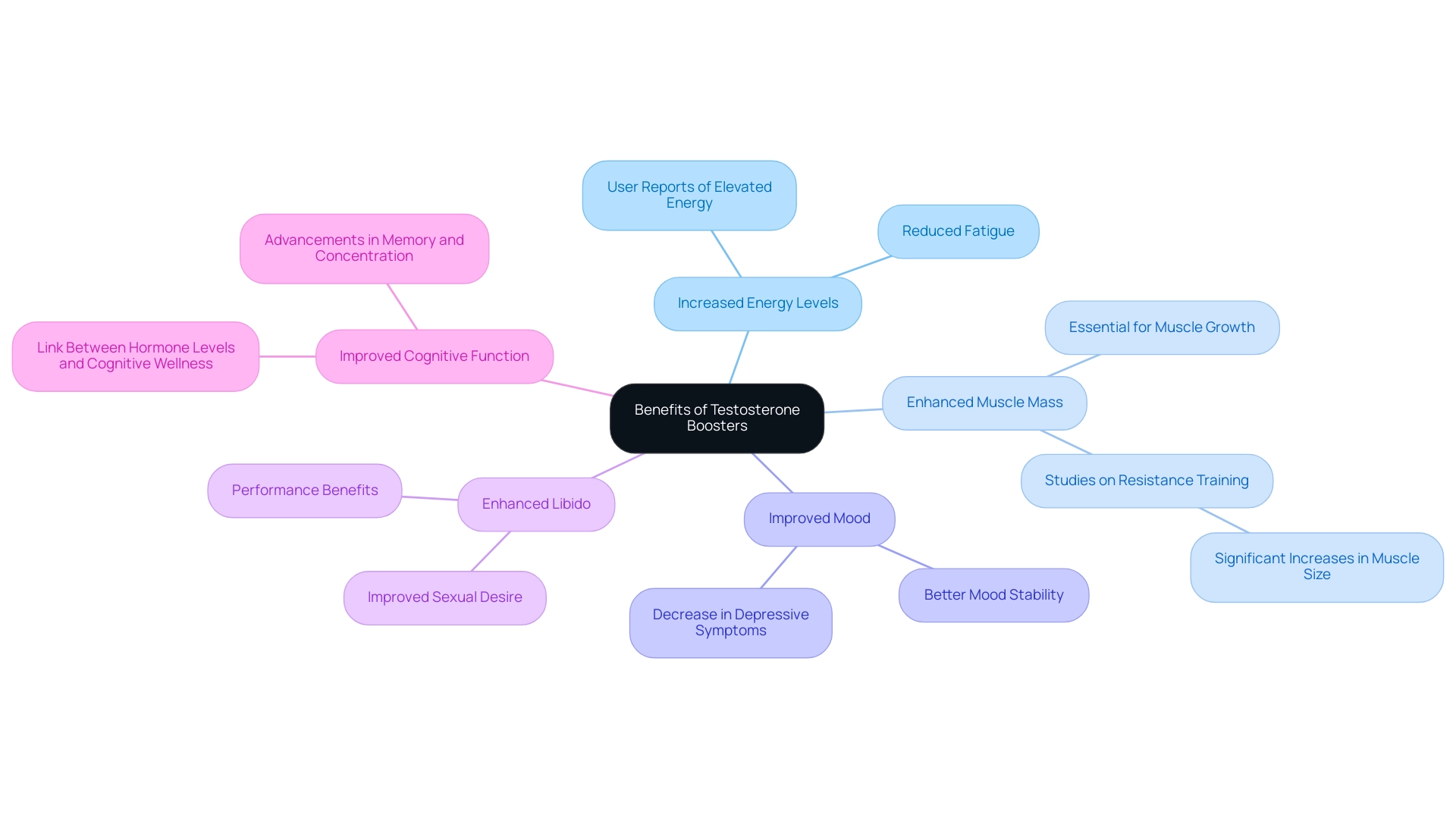
- Increased Energy Levels: A considerable number of users report elevated energy and reduced fatigue, which can lead to improved daily activities and workout performance.
- Enhanced Muscle Mass: This hormone is essential for muscle growth; studies indicate that supplements may effectively improve strength and muscle size during resistance training. For example, recent discoveries indicate that using a testosterone booster for hormone supplementation can result in significant increases in muscle mass, enhancing performance results.
- Improved Mood: Numerous people report better mood stability and a decrease in depressive symptoms linked to the effects of a testosterone booster that helps balance hormone concentrations. This enhancement can result in better overall mental well-being and a heightened ability to participate in physical activities.
- Enhanced Libido: Hormone supplements may improve sexual desire and performance, offering advantages that go beyond physical fitness to personal connections.
- Improved Cognitive Function: Recent research suggests a link between hormone levels and cognitive wellness, emphasizing possible advancements in memory and concentration. This implies that hormone enhancers could aid in improved mental sharpness, additionally enhancing overall performance.
Interestingly, a recent statistic reveals that only 1 supplement (2.2%) contained Withania somnifera, indicating a specific composition aspect of hormone enhancers worth noting. Furthermore, the influence of the 2002 Women’s Health Initiative study has altered views concerning hormonal therapies, highlighting the necessity for revised comprehension in the context of hormone supplementation.
As the market for boosters continues to expand, propelled by the increasing awareness of men's well-being and fitness, it is evident that these supplements serve a vital role in encouraging a healthy lifestyle. As one expert noted, 'The rising awareness of men's health and wellness drives the market forward.' As new research continues to emerge, the landscape of hormone supplementation is evolving, with testosterone boosters offering promising insights into their role in enhancing energy levels and muscle development.
4. Safety Considerations and Potential Side Effects of Testosterone Boosters
While testosterone boosters can offer various benefits, it is essential to acknowledge the associated risks. Potential side effects include:
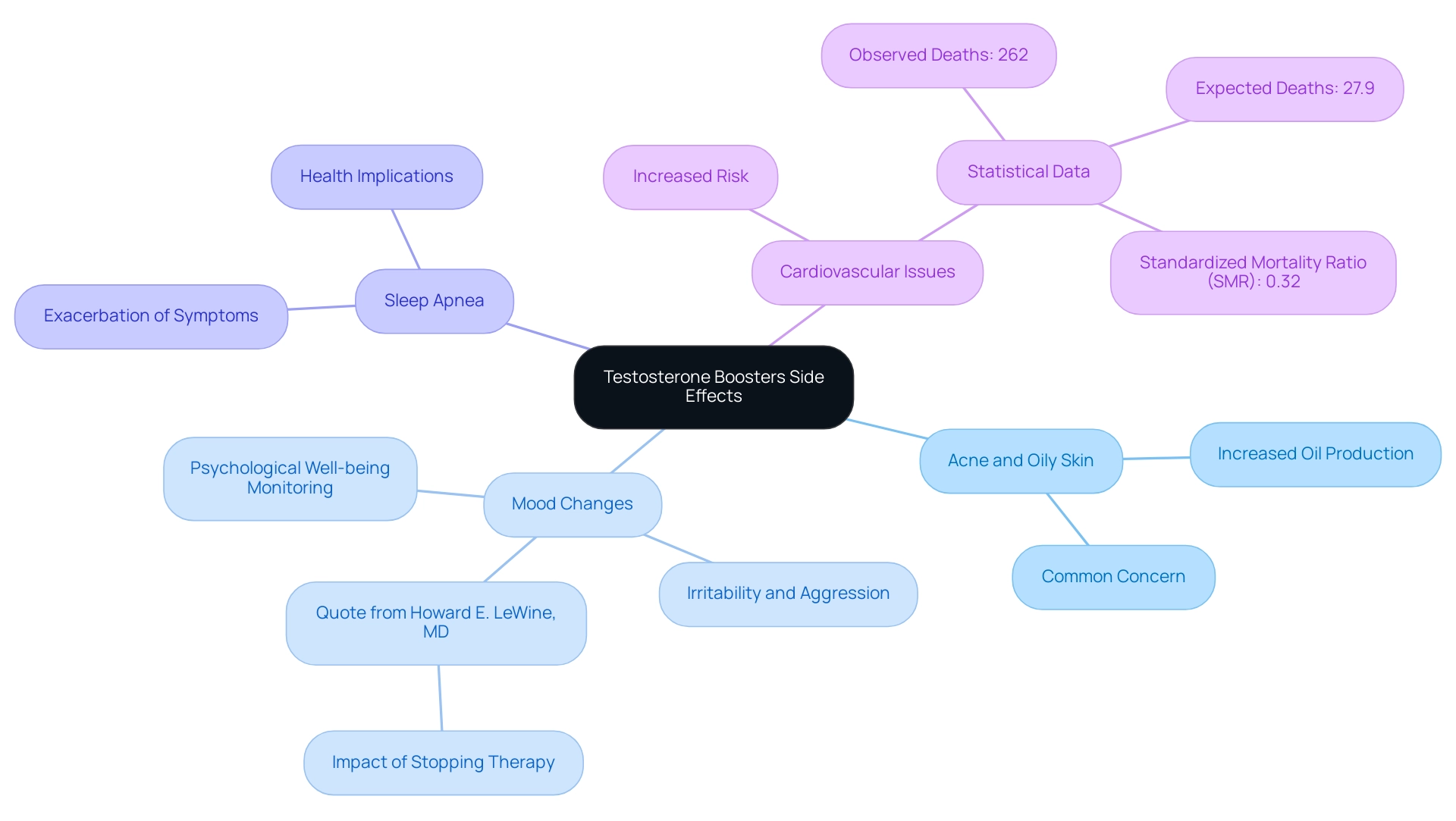
- Acne and Oily Skin: Users may notice an increase in oil production, leading to acne development, a common concern for those undergoing testosterone supplementation.
- Mood Changes: Fluctuations in mood, including irritability and aggression, have been reported with testosterone booster use. Howard E. LeWine, MD, Chief Medical Editor at Harvard Health Publishing, observes,
Men can often feel a big difference when they stop therapy because their body's hormone production has not yet recovered.
This underscores a significant aspect of emotional and psychological effects arising from hormone levels. Additionally, studies indicate that mood changes can affect a notable percentage of users, emphasizing the importance of monitoring psychological well-being during treatment. - Sleep Apnea: There is a potential risk that a testosterone booster could exacerbate existing sleep apnea symptoms, which can have serious health implications.
- Cardiovascular Issues: Research indicates that the use of a testosterone booster may increase the risk of cardiovascular problems, necessitating careful monitoring. For men with baseline hormone levels ≥300 ng/dL, there were 262 observed deaths and 27.9 expected deaths, yielding a standardized mortality ratio (SMR) of 0.32 (95% CI 0.15, 0.61), underscoring the potential risks associated with supplementation.
Furthermore, a case study titled "Dramatic Improvement of Penile Venous Leakage" illustrates the effects of hormone administration, showcasing both the benefits and risks involved.
Consulting a healthcare provider before starting any new supplement regimen is advisable, particularly for individuals with pre-existing health conditions. The implications of these side effects highlight the necessity for informed decision-making regarding the use of a testosterone booster for hormone supplementation.
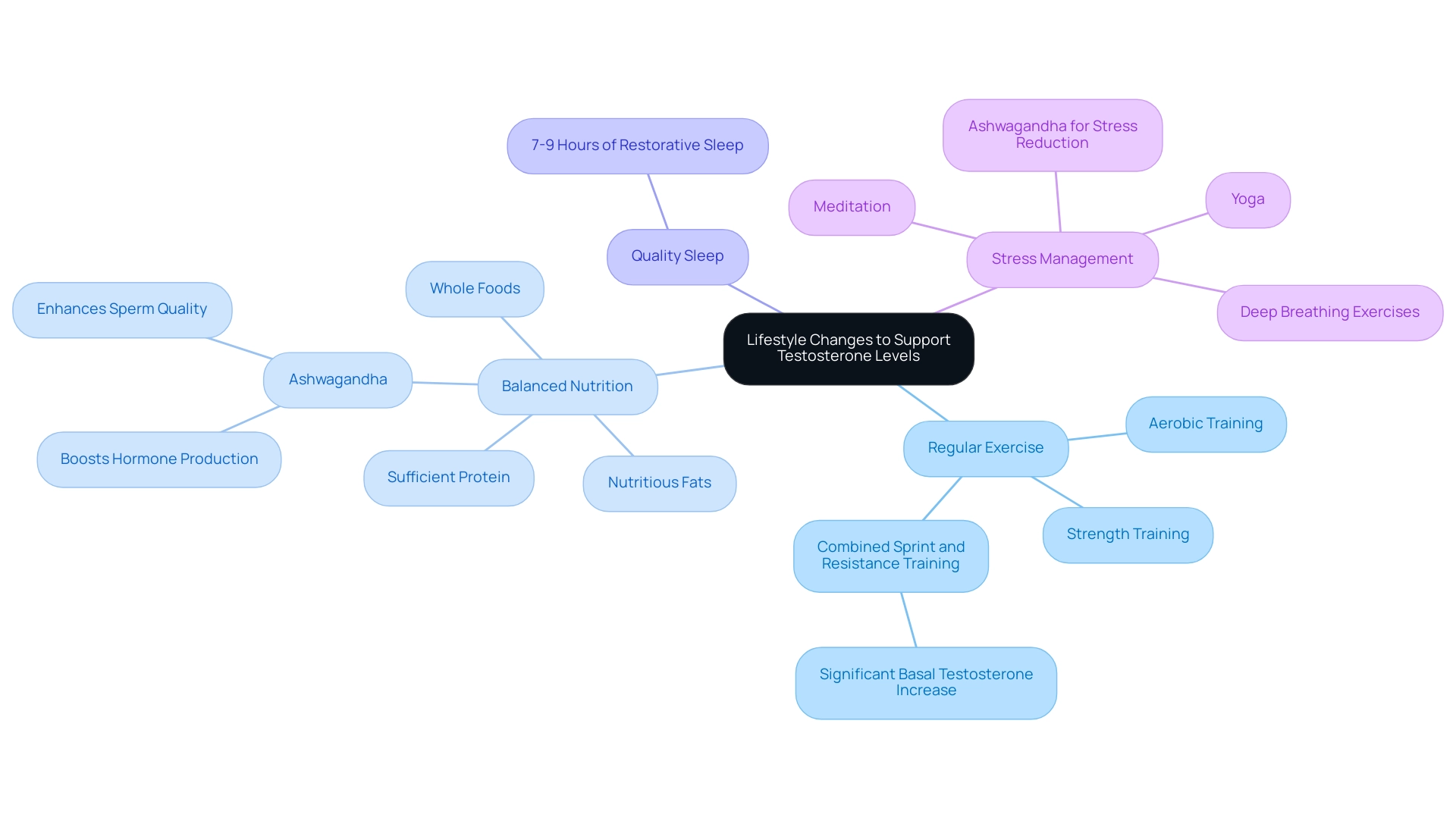
5. Complementary Strategies: Lifestyle Changes to Support Testosterone Levels
To enhance the effectiveness of testosterone enhancers, it is crucial to integrate supportive lifestyle techniques that encourage hormonal equilibrium:
- Regular Exercise: Participating in both aerobic and strength training has been demonstrated to naturally increase male hormone amounts. Research indicates that after combined sprint and resistance training, basal hormone levels significantly increased in middle-aged trained individuals, effectively eliminating the age-related differences previously observed. As noted by expert Megan Wenner, 'What is the impact of testosterone and exercise on fitness, body composition and strength in otherwise healthy middle-to-older aged men with mild testosterone deficiency?' This highlights the critical role of exercise in maintaining hormonal health.
- Balanced Nutrition: Personalized nutrition support from certified experts at Awesome Health Club is vital for weight management, diabetes control, and holistic wellness. A diet abundant in whole foods, nutritious fats, and sufficient protein is essential for supporting hormonal balance. Real-world examples illustrate how dietary choices can directly impact levels of this important hormone. Including ashwagandha in one's diet can further enhance these efforts by reducing stress, supporting immune function, and improving overall brain well-being. Moreover, ashwagandha is recognized for boosting hormone production and enhancing sperm quality, which is especially advantageous for male well-being. Don't forget to arrange your free consultation with a certified nutritionist to customize your dietary approach.
- Quality Sleep: Striving for 7-9 hours of restorative sleep nightly is vital, as insufficient sleep can negatively impact hormone levels. Quality sleep is a cornerstone of overall well-being and hormonal regulation.
- Stress Management: Implementing stress-reduction techniques such as yoga, meditation, or deep breathing exercises can mitigate the adverse effects of high stress, which is known to hinder hormone production. Ashwagandha, known for its calming effects, can serve as a natural aid in stress management. Furthermore, the trial conducted by Wittert et al. The treatment with this hormone to prevent type 2 diabetes in men underscores the broader implications of it beyond just physical performance. By integrating these lifestyle adjustments, individuals can foster an environment conducive to achieving their health and wellness objectives, particularly with the help of a testosterone booster to enhance testosterone levels.
Conclusion
Testosterone boosters have gained prominence as a viable option for individuals seeking to enhance their physical performance and overall health. Key ingredients such as ashwagandha and fenugreek have shown promising benefits, including increased energy levels, improved muscle mass, and enhanced mood. These natural components not only support hormone production but also contribute to a holistic approach towards men's health, particularly in the context of rising awareness following the COVID-19 pandemic.
While the advantages of testosterone boosters are noteworthy, it is crucial to remain aware of potential side effects, such as:
- Mood fluctuations
- Cardiovascular risks
Consulting with healthcare professionals before starting any supplementation is essential to ensure safety and efficacy. Additionally, combining testosterone boosters with lifestyle strategies—such as:
- Regular exercise
- Balanced nutrition
- Quality sleep
- Effective stress management
can significantly amplify their benefits.
In conclusion, testosterone boosters represent a valuable tool for those looking to optimize their health and performance. By understanding the ingredients, benefits, and risks associated with these supplements, individuals can make informed decisions that align with their wellness goals. Integrating these boosters with supportive lifestyle changes not only promotes hormonal balance but also enhances overall well-being, paving the way for a healthier future.